Sheepshead Fishing at South Padre Island
Inshore Fishing in South Padre Island - What to Expect

Fishing Charter by Captain Chu Dog in October
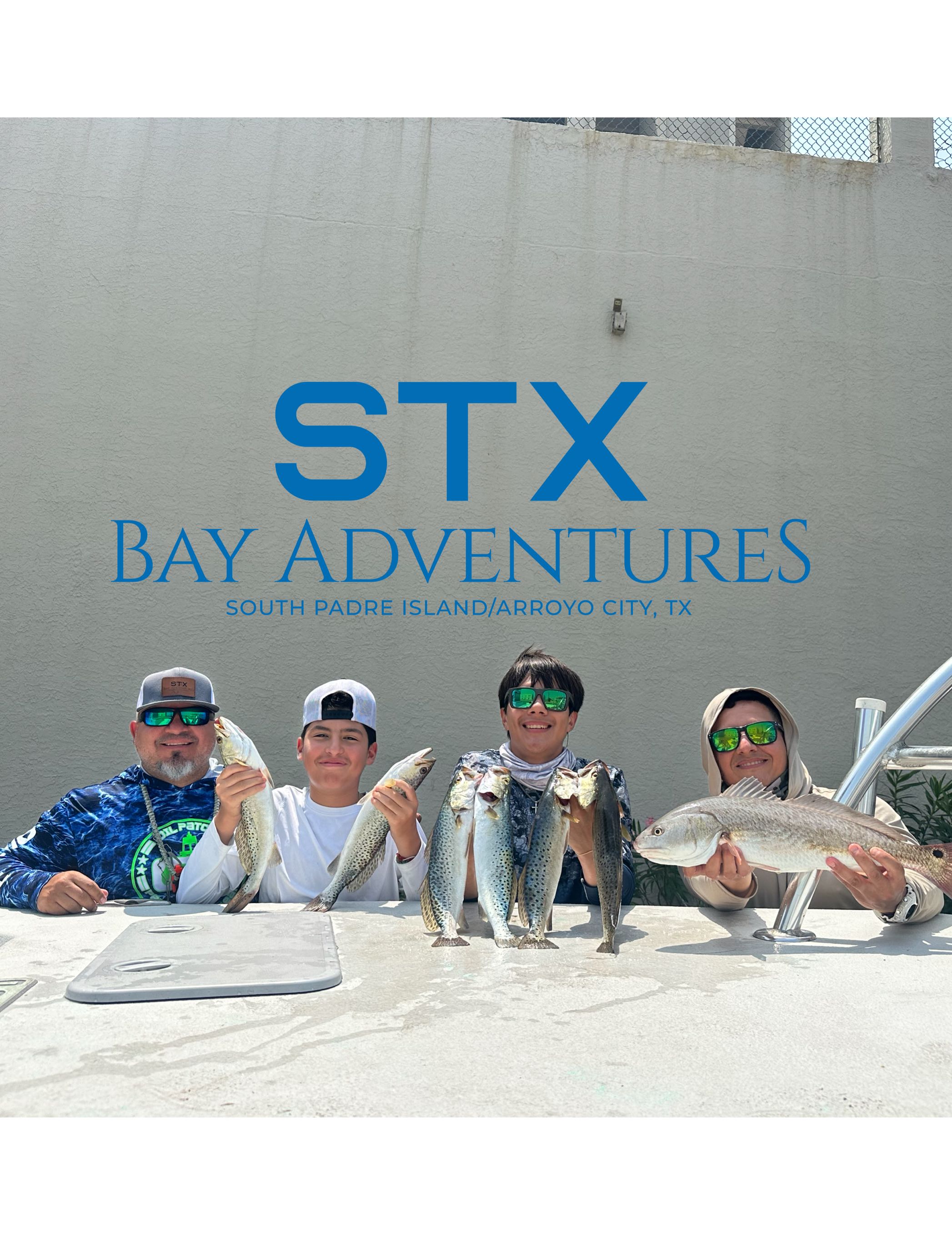
- Top-rated Fishing Charters in South Padre Island.


Summary
Join Captain Chu of STX Bay Adventures on Wednesday, October for an inshore fishing charter in South Padre Island designed specifically for young anglers. This 6-hour fishing trip targets redfish, sea trout, and flounder in the Lower Laguna Madre with lightweight gear, patient instruction, and plenty of action to keep kids engaged and excited about fishing.
Inshore Fishing Charter with Captain Chu - Rates & Booking
Captain Chu of STX Bay Adventures on Wednesday, October offers a thoughtfully designed 6-hour inshore fishing charter perfect for introducing young anglers to the sport. This half-day trip departs at 7 AM from South Padre Island and accommodates up to 2 guests, making it ideal for families wanting a personalized fishing experience. The package includes all lightweight rods, reels, and tackle sized appropriately for children's hands, ensuring comfort and control while learning proper technique. All safety gear is kid-friendly and integrated into the boat setup. No meals are included, so pack snacks and water for the morning session. Book your spot today and give your family a fishing adventure they'll remember for years.
Highlights of 6-Hour Fishing Fun for Kids with Captain Chu
This charter excels at building confidence in young fishermen while delivering genuine action on the water. The Lower Laguna Madre is known for calm, shallow waters perfect for kids who might struggle with rougher offshore conditions. You'll target three primary species - redfish, sea trout, and flounder - all excellent fighters that respond well to the techniques Captain Chu teaches throughout the trip.
The early 7 AM departure is strategic: fish are most active during cooler morning hours, and you'll avoid the midday heat that can wear down younger anglers. The small group size means your children receive personalized attention and instruction, not rushed casting lessons. Every catch becomes a teaching moment about fish behavior, tackle, and the marine environment around South Padre Island.
Local Species Insights: Understanding Your Targets
The inshore waters around South Padre Island host three primary species on this charter, each with distinct characteristics and behaviors worth understanding.
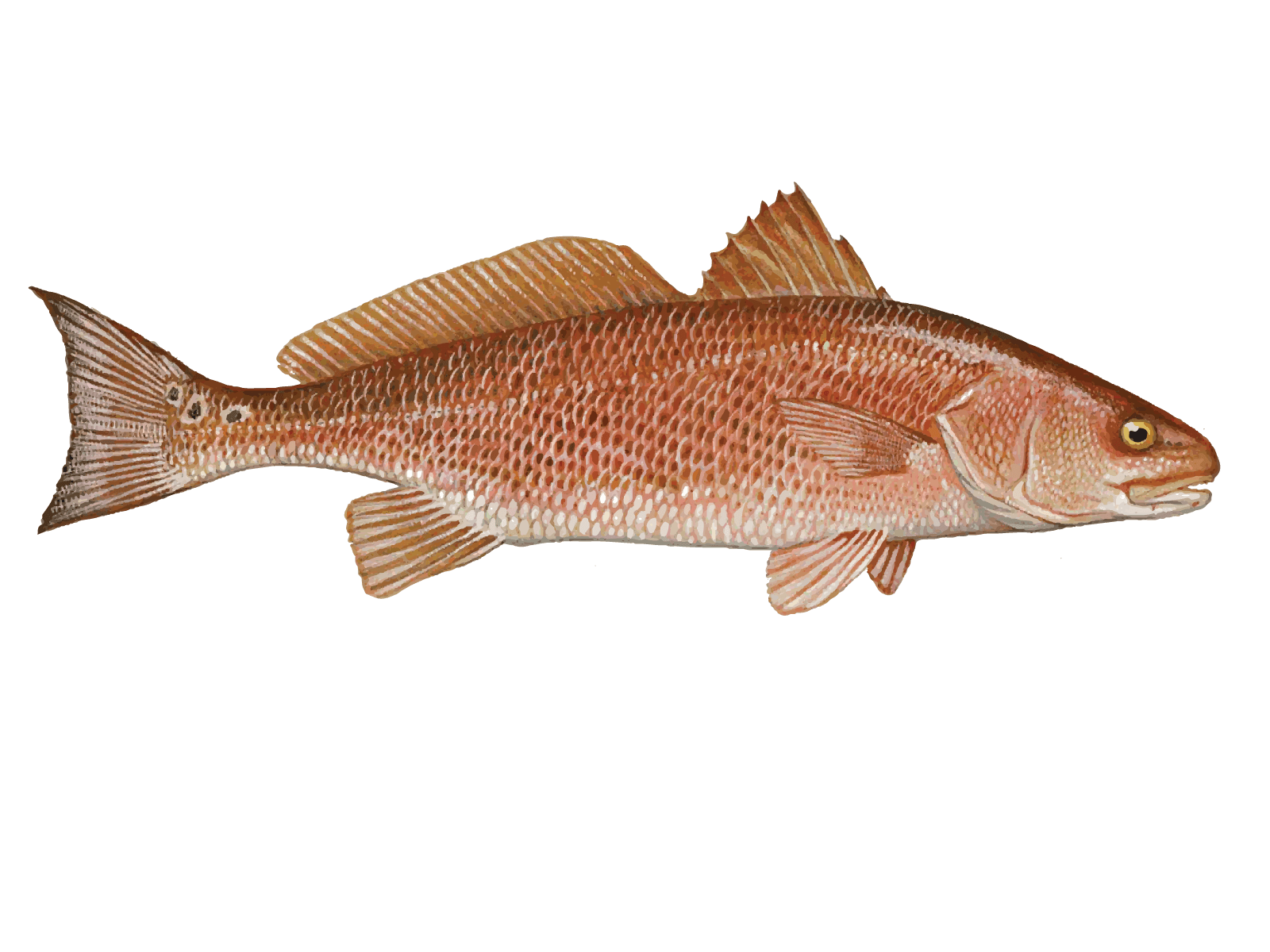
Redfish, also called red drum, are aggressive hunters that patrol shallow flats and grassbeds where your boat will fish. These bronze-colored fish have a distinctive black spot near their tail and can weigh anywhere from 2 to 20 pounds depending on the season. They hunt using their lateral line to sense vibrations in the water, which is why they respond so well to live bait and artificial lures. Kids will appreciate their strong runs and acrobatic jumps when hooked. Redfish teach young anglers about reading water structure and understanding how predators hunt in shallow environments.
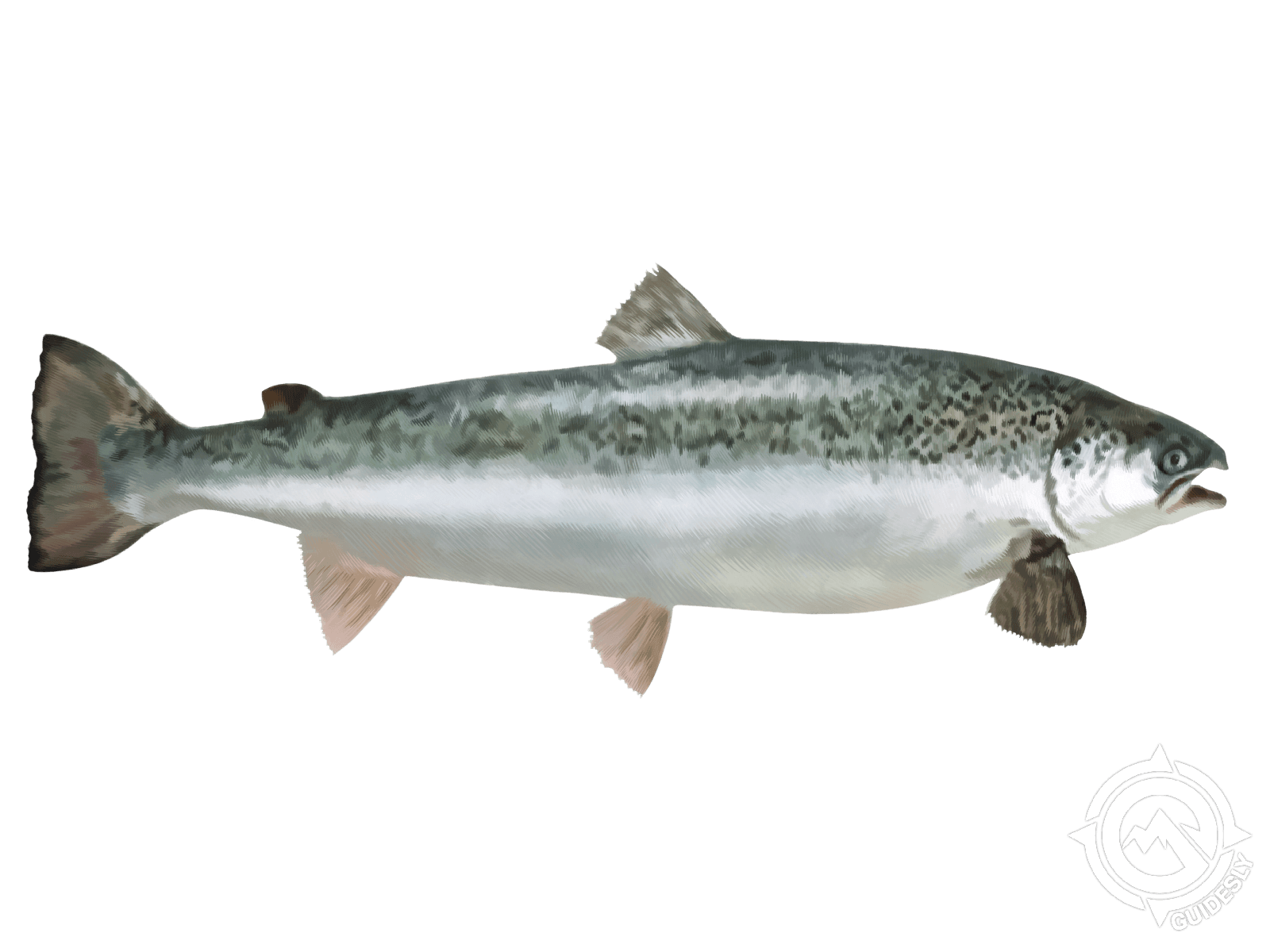
Sea trout, or spotted seatrout, are more delicate than redfish but equally exciting for beginning anglers. These silver-sided fish display distinctive black spots along their backs and sides. They inhabit the same shallow flats and seagrass areas as redfish but tend to school together, meaning multiple catches are common once you locate them. Sea trout are ambush predators that strike fast and hard, giving kids the thrill of immediate action. Their lighter tackles translate to more sensitive feedback, helping young fishermen develop feel and timing.
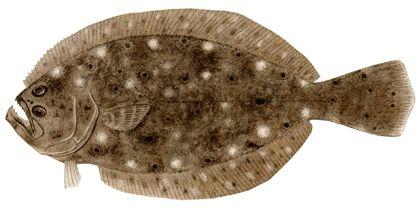
Flounder are bottom-dwellers that use camouflage and patience as hunting strategies. Both eyes are positioned on one side of their flat body, allowing them to watch for prey while resting on the seafloor. Flounder hunting teaches different principles than the other two species - it's about understanding depth, substrate, and slower, deliberate presentations. Their explosive strikes when feeding deliver an unexpected jolt that keeps kids engaged.
The Lower Laguna Madre environment that hosts these species is relatively protected from offshore waves and weather. The shallow water clarity allows young fishermen to sometimes see fish before casting, building anticipation and understanding of fish habitat. Seagrass beds provide structure where all three species hunt, and Captain Chu's local knowledge helps position the boat where fish concentrate.
Plan Your Fishing Day
Your 6-hour charter begins at 7 AM, taking advantage of peak feeding windows in the Lower Laguna Madre. Captain Chu's boat provides a stable platform with safety features designed for children, including kid-appropriate life jackets and railings positioned at lower heights. The vessel's smaller size and stable design mean minimal rocking even for young stomachs, eliminating many traditional seasickness concerns associated with deeper-water fishing.
All tackle is pre-sized and pre-rigged to keep setup time minimal and fishing time maximum. Captain Chu handles most gear management while teaching proper casting form, rod control, and fish-fighting technique. For a group of 2 guests, there's ample space to move around safely without feeling crowded. The 7 AM departure means you'll be back by 1 PM, leaving the afternoon free for rest or other South Padre Island activities.
Bring sunscreen, sunglasses, and water for each participant. The morning sun reflects intensely off the water, so hat and polarized glasses help kids see fish and protect their eyes. Avoid scheduling heavy meals immediately before departure, as motion and excitement can trigger queasiness in some young anglers.
Fishing in South Padre Island: Sheepshead
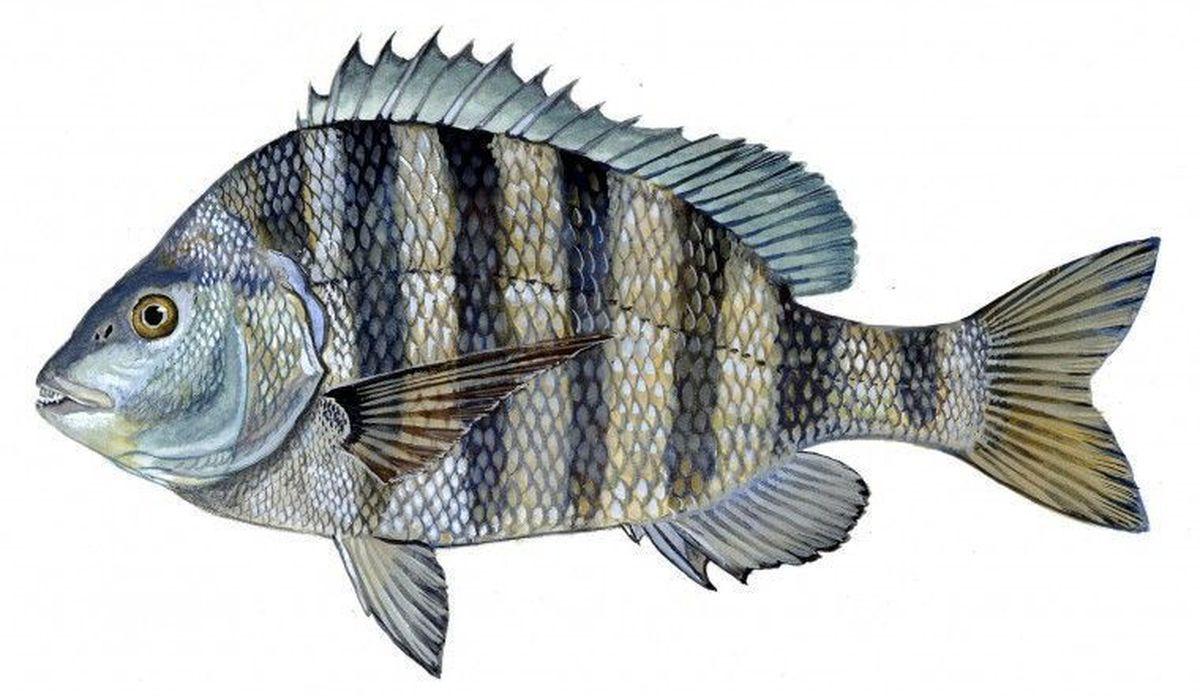
Sheepshead Overview
The Sheepshead (Archosargus Probatocephalus) belongs to the family Sparidae and order Perciformes, making it a distinguished member of the sea bream family found along the Atlantic coast and Gulf of Mexico. This beautifully compressed grey fish is instantly recognizable by its five to seven dark vertical bars running along its sides, a pattern that earned it the colorful nickname 'convict fish.' But what really sets the Sheepshead apart—and often gets a laugh from first-time anglers—are its strikingly human-like teeth, complete with molars perfect for crushing shells and barnacles. These teeth have made Sheepshead a legend in fishing communities from Florida to Nova Scotia, and they're a key reason why landing one is such a memorable experience. Interestingly, Sheepshead Bay in New York was named after these abundant fish, though pollution and development have since caused their populations there to decline dramatically.
Sheepshead Habitat and Distribution
Sheepshead thrive around any structure they can find—docks, bridges, petroleum rigs, jetties, and barnacle-covered pilings are their favorite hangouts. These fish are structure-lovers through and through; you'll rarely find them far from cover, though they'll occasionally venture closer to shore to hunt sand fleas and other crustaceans. The highest concentrations of Sheepshead are found along the entire east coast of the United States, with particularly robust populations from south Florida through the Gulf of Mexico. Northwest Florida sees exceptional numbers thanks to its abundance of artificial structures and pier pilings, making it a hotspot for anglers seeking these elusive fish. They've also been documented as far north as Nova Scotia during warmer months, though they're most abundant in warmer waters year-round.
Sheepshead Size and Weight
Typical Sheepshead range from 1 to 8 pounds and measure 14 to 20 inches in length, making them a rewarding catch for most anglers. However, if fortune smiles on you, these fish can grow considerably larger—trophy specimens have been documented at 20 pounds and 35 inches long. What's truly impressive about Sheepshead is their longevity; these fish can live up to 20 years in the wild, meaning that larger individual you hook could be a veteran of two decades of survival. This combination of size potential and lifespan makes the Sheepshead a respected quarry among serious anglers.
Sheepshead Diet and Behavior
Sheepshead are opportunistic feeders with a particular passion for hard-shelled prey. Their diet consists primarily of barnacles, small stone crabs, and fiddler crabs scraped from pilings and rocky structures, but they also consume shrimp, mollusks, minnows, clams, and squid when available. These fish are notorious bait stealers—they'll nibble delicately at your offering, working to loosen it from the hook with surprising finesse before committing to a full strike. This behavior can be maddening for inexperienced anglers but is part of what makes Sheepshead fishing so exciting and challenging. Once hooked, their powerful mouths and strong jaws require aggressive hook sets to ensure a solid connection. They're also pelagic, meaning they don't always stay at the bottom; they can be found hovering at various depths depending on food availability and water conditions.
Sheepshead Spawning and Seasonal Activity
Sheepshead exhibit fascinating spawning behavior, forming enormous aggregations of up to 10,000 fish that migrate to specific structures during breeding season. These fish move toward channel passes, offshore reefs, jetties, and oil platforms during their spawning period, which primarily occurs in early spring from February through April. Understanding this seasonal movement is crucial for anglers planning trophy hunts, as these spawning aggregations can concentrate fish in predictable locations during these months. Outside the spawning season, Sheepshead remain relatively localized around their preferred structures, making them year-round targets in warmer climates.
Sheepshead Techniques for Observation and Capture
Boat Fishing Method: If you're approaching Sheepshead from a boat, avoid dropping anchor if possible, as the disturbance will spook these wary fish. Instead, position your boat close to the structure—pilings, reefs, or wrecks—and cast your bait as near to the cover as you safely can. Use light tackle and allow your bait to hit bottom, then slowly bring it up in 1-foot increments to determine where the fish are suspended. This vertical exploration is essential since Sheepshead don't always feed on the bottom. Set your bait firmly on the hook to resist their notorious nibbling, and when you feel the weight of a fish working your bait, set the hook with aggression—their powerful jaws require a solid connection.
Shore-Based Method: Dock and seawall anglers can be equally successful by casting their bait as close to pilings as possible, just as boat anglers would. The same vertical jigging technique applies; let your bait work at different depths to locate where the fish are holding. If local regulations permit, consider scraping barnacles off the pilings with a rake to create a scent trail of meat pieces in the water—Sheepshead will zero in on this natural chum and come to you.
Bait and Jig Selection: Natural baits are always your best bet, with shrimp-tipped jigs being an excellent choice when live bait isn't available. The heavier weight of a jig helps keep your presentation near the structure and prevents the current from dragging it away. Around popular fishing destinations in Florida and the Gulf, guides often recommend fiddler crabs and stone crabs as premium options. Fresh shrimp, clams, and squid also work well. Timing your trip for early morning or late evening, when Sheepshead are most active, will significantly improve your odds.
Sheepshead Culinary and Nutritional Notes
Sheepshead is an excellent choice for the dinner table, offering delicate white flesh with a mild, slightly sweet flavor that appeals to most palates. The fish is rich in protein and omega-3 fatty acids, making it a nutritious addition to any diet, and it's notably low in mercury, so you can enjoy it without health concerns. A diet rich in Sheepshead can support heart health by helping to lower blood pressure and reduce the risk of heart disease, while also supporting brain function, boosting immunity, and aiding muscle growth and repair. Whether grilled, baked, or fried, Sheepshead makes an exceptional meal. However, be warned: their tough scales and strong fin spines make cleaning and filleting challenging, which is why some anglers pass them over in favor of easier-to-prepare species. If you're willing to put in the effort or have a skilled filleting knife, the reward is absolutely worth it.
Sheepshead Frequently Asked Questions
Q: What is the best bait for catching Sheepshead?
A: Natural baits are always superior to artificials. Fiddler crabs, stone crabs, fresh shrimp, clams, and squid are all excellent choices. If you prefer jigs, a shrimp-tipped jig works exceptionally well because the extra weight keeps your bait near the structure where Sheepshead feed. Always set your bait firmly on the hook—these fish are expert bait stealers and will nibble away at loose offerings.
Q: Where can I find Sheepshead near major fishing destinations?
A: Sheepshead are found throughout the east coast, with exceptional concentrations from south Florida through the Gulf of Mexico. Look for them around docks, piers, jetties, bridge pilings, offshore reefs, wrecks, and oil platforms. Northwest Florida is particularly productive thanks to its numerous artificial structures. Any barnacle-encrusted piling is a potential hot spot.
Q: Is Sheepshead good to eat?
A: Absolutely. Sheepshead offers delicate, mild white flesh that's excellent for grilling, baking, or frying. It's a healthy source of protein and omega-3 fatty acids, and it's low in mercury. The main challenge is cleaning and filleting due to their tough scales and strong spines, but the culinary reward justifies the effort.
Q: When is the best time to catch Sheepshead?
A: Early spring, February through April, is peak spawning season when massive aggregations gather around structures—this is prime time for trophy hunters. Outside spawning season, Sheepshead are year-round residents in warm waters. Fish early morning or late evening for best activity levels, and target deeper structures during the heat of the day.
Q: How should I set the hook when a Sheepshead bites?
A: Set the hook aggressively with a sharp upward jerk. Sheepshead have powerful mouths and jaws, and a timid hook set will often result in a lost fish. Once you feel the weight of the fish working your bait, don't hesitate—drive that hook home firmly.
Q: What size Sheepshead should I expect to catch?
A: Most Sheepshead caught by anglers range from 1 to 8 pounds and measure 14 to 20 inches. Trophy fish can exceed 20 pounds and reach 35 inches, though these are less common. The average is typically in the 2 to 5 pound range, making them a satisfying catch that's still manageable for most anglers.
More species you can explore on this trip
STX Bay Adventures Available Trips
Captain Chu's boat is built for young anglers, starting with its smaller size that makes it perfect for the calm waters of Lower Laguna Madre. The shallow draft lets you access the shallow flats where redfish, trout, and flounder congregate, while the stable hull design keeps motion minimal - important for kids who might be prone to seasickness. The deck layout has plenty of space for just 2 guests to move safely without cramping, and the railings and safety features are set at heights that work for children rather than adults. All the rods and reels on board are lightweight and sized for smaller hands, so kids can actually grip and control their gear instead of struggling with oversized equipment. The boat comes fully equipped with tackle boxes, live bait wells, and everything needed to target the day's species. You'll notice the setup is clean and organized, with safety gear easily accessible and the whole vessel maintained specifically for introducing young people to fishing without any of the overwhelming feeling of bigger charter boats.